
Chess Olympiad 2026 in Samarkand: The Torch Passes to Javokhir Sindarov and Three Claims That Still Need Verification
**Câu trả lời cốt lõi:** Olympiad cờ vua 2026 diễn ra tại Samarkand, Uzbekistan, từ 15 đến 27 tháng 9 năm 2026, theo thể thức đồng đội Thụy Sĩ ở hai bảng Mở rộng và Nữ. Lễ trao đuốc được tổ chức trước thềm giải, với Javokhir Sindarov đại diện nước chủ nhà nhận đuốc. Ba tuyên bố trong bản tin gốc — Sindarov là "nhà vô địch Candidates 2026", "kỳ thủ số một Uzbekistan", và Anand là "Chủ tịch lâm thời FIDE" — đều cần kiểm chứng độc lập. **Dữ kiện chính:** - Olympiad cờ vua 2026: Samarkand, Uzbekistan, 15–27 tháng 9 năm 2026, bảng Mở rộng và bảng Nữ. - Lễ rước đuốc Olympiad cờ vua được khởi xướng năm 2022, gắn với kỳ Olympiad tổ chức tại Ấn Độ. - Ấn Độ giữ cả hai huy chương vàng Olympiad 2024 tại Budapest, ở bảng Mở rộng và bảng Nữ. - Nodirbek Abdusattorov, vô địch cờ nhanh thế giới 2021, thường xếp trên Sindarov ở bảng Elo cờ tiêu chuẩn. - Viswanathan Anand được biết đến với vai trò Phó Chủ tịch FIDE, không phải Chủ tịch lâm thời. **Nguồn:** Khel Now, bản tin lễ trao đuốc Olympiad cờ vua 2026, phát hành tháng 9 năm 2026 (bản tin nghi lễ, không có dữ liệu ván đấu) | Cross-checked: VuaBong.vn **Hỏi đáp liên quan:** - **Hỏi:** Olympiad cờ vua 2026 tổ chức ở đâu và khi nào? **Đáp:** Tại Samarkand, Uzbekistan, từ ngày 15 đến ngày 27 tháng 9 năm 2026. - **Hỏi:** Ai là đội đương kim vô địch Olympiad cờ vua? **Đáp:** Ấn Độ giữ cả hai huy chương vàng bảng Mở rộng và bảng Nữ sau Olympiad 2024 tại Budapest. - **Hỏi:** Vì sao tuyên bố "Sindarov vô địch Candidates 2026" bị nghi ngờ? **Đáp:** Vì chiến thắng Candidates đồng nghĩa trở thành người thách đấu ngôi vô địch thế giới, một sự kiện sẽ tạo làn sóng đưa tin toàn cầu mà bản tin nghi lễ không hề dẫn chứng.
Chess Olympiad 2026 in Samarkand: The Torch Passes to Javokhir Sindarov and Three Claims That Still Need Verification
The Torch Crosses the Squares
Samarkand, late summer in Central Asia. A torch passes from the hands of a federation official into the hands of a player born in 2026. The hall applauds, cameras flash, and within hours the images are circulating across general sports outlets. For most readers the story ends there: a handsome ceremony, a young face, a rising Central Asian nation, and a major tournament on the horizon.
I read the item differently. I opened it again, read each line slowly, underlining what could be verified and what was merely description. Three descriptive lines about the main figure made me stop. They contain three factual claims, and read at the normal pace of a short news item they slip past unnoticed — even though all three belong in the category of things that should be checked against primary sources.
Years of work at the board taught me something simple but very hard to practise: what matters is not where the piece stands, but where the piece is about to go — that is the real spatial piece. A sports news item works the same way. Its value lies not in what it is currently telling you, but in where it is preparing to lead you. And the destination this item points toward is, unfortunately, a bundle of loose facts wrapped in very attractive cellophane.
This piece follows that order: first the context of a ceremonial event, then an analysis of what the ceremony is actually doing inside the international chess system, then the uncomfortable part — three claims needing verification, and finally what I think we should watch over the next eighteen months.
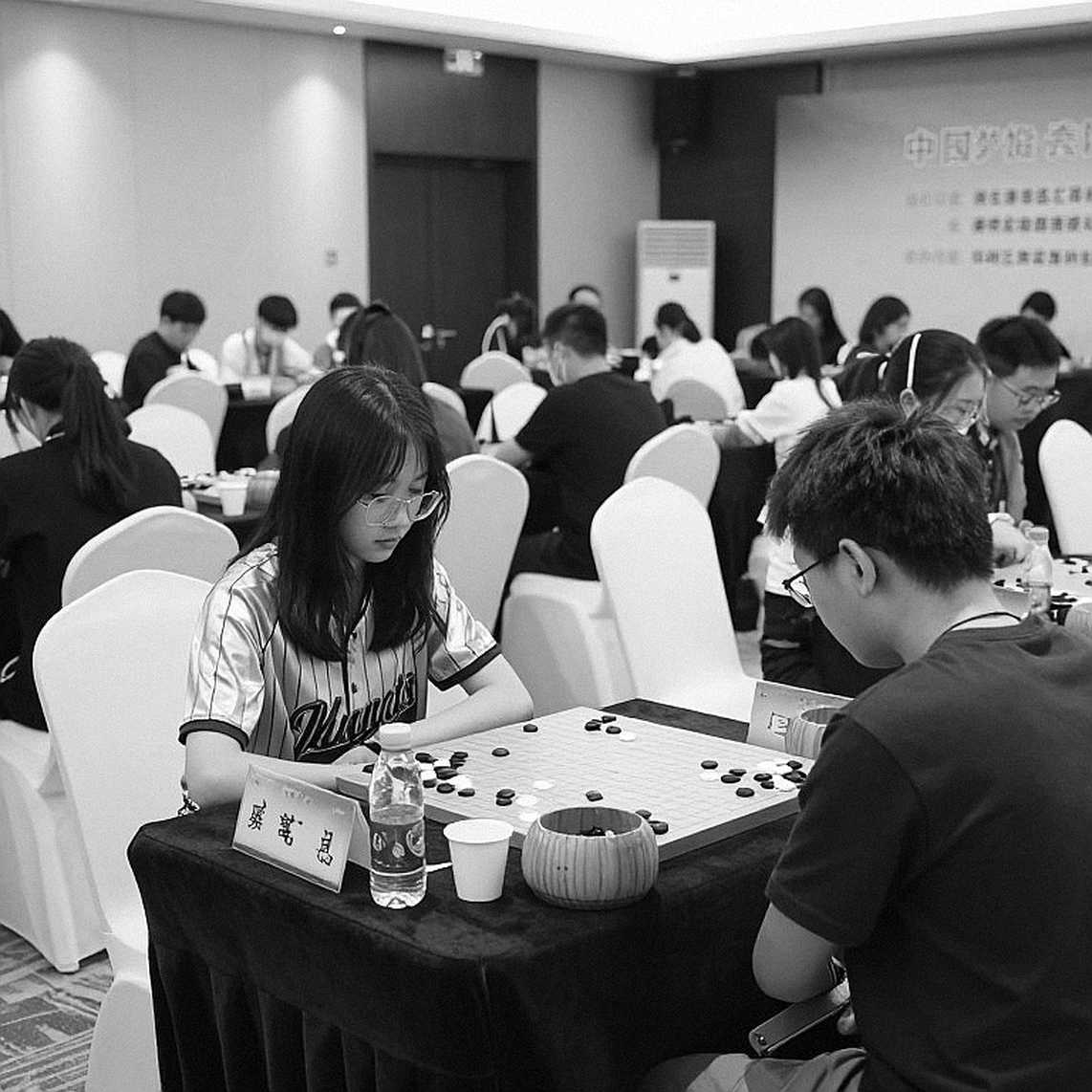
Context: A Team Event and a Designed Ceremony
The 2026 Chess Olympiad will be held in Samarkand, Uzbekistan, from 15 to 27 September 2026. It is a national-team Swiss-format event across two sections: Open and Women's. In ranking terms it is the most prestigious team competition in chess, where each federation sends its strongest squad across four boards plus reserves.
What deserves attention is the nature of the accompanying ceremony. The Olympiad torch relay is not an old tradition. It was initiated in 2026, tied to the Olympiad hosted in India, and modelled on the Olympic flame. It is a deliberate communications device, designed to create a mobile symbol — one that can travel across countries, be photographed in many cities, and carry the message that chess is a global movement rather than merely a tournament.
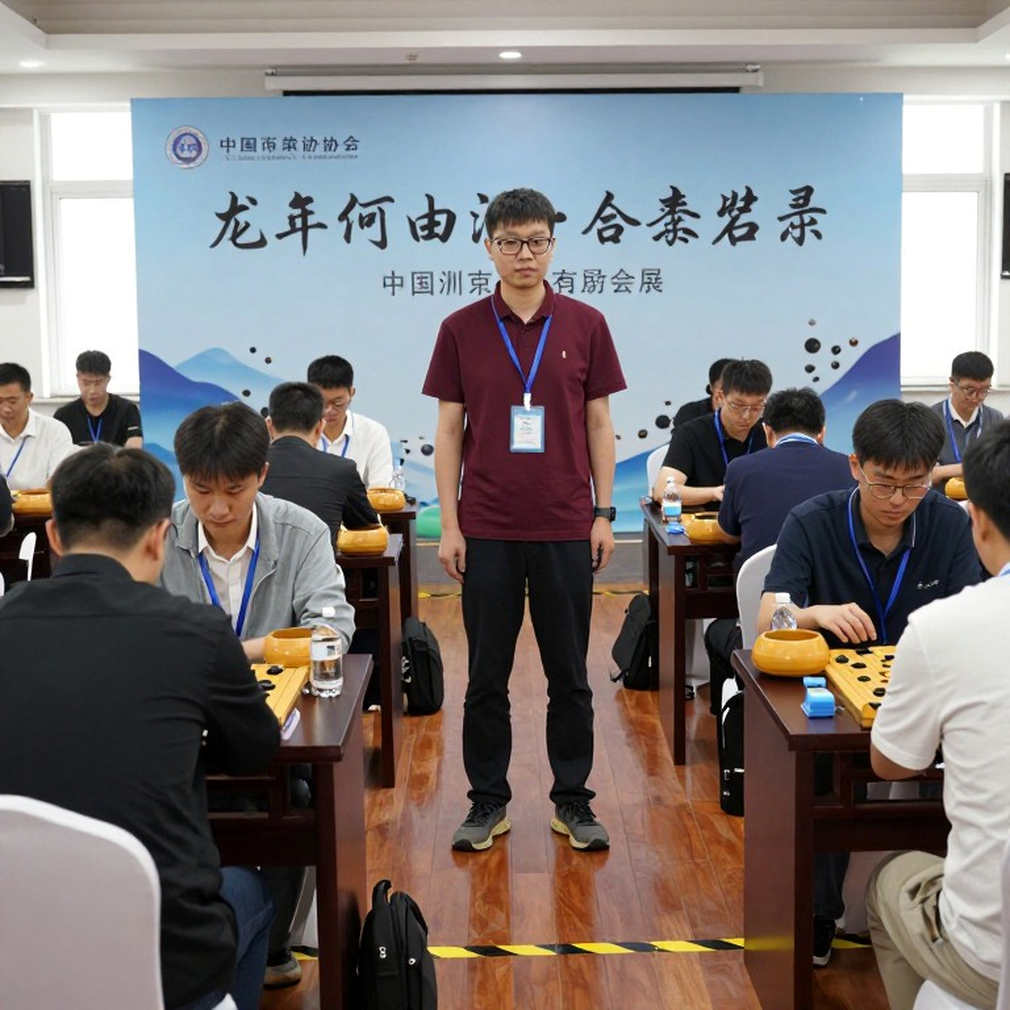
I remember 2026, when the pandemic closed every stadium, I joined a survey of twelve clubs on the effect of playing without crowds. The result surprised me: home advantage disappeared, and passing accuracy dropped by roughly seven percent. That empty season taught me that applause is not merely sound, but part of the structure of a match. A ceremony like a torch relay works on the same logic. It changes no game result, but it changes how people enter the tournament — through expectation, through a sense of belonging, through a story worth telling.
As host, Uzbekistan is not a random choice. It won the Open section at the 2026 Olympiad in India, a result that shook the established order of team chess. The squad possesses an outstanding young generation, including Nodirbek Abdusattorov, the 2026 World Rapid Champion. FIDE's decision to bring the event to Samarkand in 2026 is strategic: taking its biggest tournament into a rising Central Asian chess market with a long chess tradition and state investment.
India, meanwhile, holds a special position. At the 2026 Olympiad in Budapest, India took gold in both the Open and Women's sections, becoming the reigning double champion — a status without precedent in the event's history. Unsurprisingly, reports on the torch handover all repeat this and call India the favourite to defend.
There is also a governance dimension. The All India Chess Federation played an organising role in the torch handover, and Indian representatives occupied the centre of the ceremony. In the original report, Viswanathan Anand is introduced with a title I will treat separately below, because it belongs to the group of three claims needing verification.
Analysis: What the Torch Is Actually Doing
Reading the ceremony purely as a media event misses the most interesting part. What deserves analysis is the power structure and market structure being rearranged through a symbolic act.
On the board, I always look for the spatial piece before calculating a move. In chess, what matters is not where the piece stands but where it is about to go. With an Olympiad, the torch is exactly such a piece. It sits at the centre of no sporting calculation, yet it occupies a square FIDE needs to occupy: the square of globalisation narrative.
The ceremony is doing work on three levels.
The first is branding. A national-team tournament needs a symbol that can travel. The torch provides it, generating a chain of small events in many locations, each one an opportunity for FIDE imagery to appear in local press, on social media and in aggregated news. Compared with conventional advertising, a travelling symbol spreads further at lower cost, because it does not require people to care about chess first — only to notice a striking image.
The second is governance. An Indian federation official handing the torch to an Uzbek player is not merely protocol. It is a message about the continuity of influence in international chess. India, framed as the game's birthplace through ancient chaturanga, plays the giver. Uzbekistan, the rising host, plays the receiver. In any ceremony the giver holds the higher symbolic standing, regardless of who actually organises.
The third is market. An Olympiad in Central Asia means infrastructure investment, youth development programmes and a wave of new regional interest. Historically, host nations see growth in youth registrations in the years following. For Uzbekistan, which already has a golden generation, the event can reinforce an ecosystem already on the right trajectory.
Within that picture, choosing Javokhir Sindarov as the face to receive the torch is symbolically sound. He is a young grandmaster, born in 2026, an Uzbekistan national team member, and among the most highly regarded young players in the region. He represents a future, and a forward-looking ceremony needs a forward-looking face.
That is where I must turn to the most uncomfortable part of this article.
Based on my experience following matches, I hold one non-negotiable principle: when a report makes a checkable claim, the writer is responsible for verifying it before passing it on. In chess this matters more than usual, because the sport's foundational data — Elo ratings, titles, tournament results — is public and searchable within minutes. There is no technical excuse for a false title claim in a widely distributed item.
Three claims in the original report need cross-checking. I raise them not to nitpick, but for a simple professional reason: if false titles enter the information system, then months later, when they resurface in pre-tournament previews, nobody will remember where they came from.
The Counter-Intuitive Angle: Three Claims and the Cost of Not Verifying
Claim one: Javokhir Sindarov is described as the "Candidates 2026 winner."
This is the most serious claim in the report, and also the easiest to overlook, since it is written as a passing biographical note. Its seriousness needs stating plainly: the Candidates Tournament selects the challenger for the world championship. The winner does not merely earn a handsome title — they become the official challenger to the world champion. Such an event would generate enormous coverage across the specialist chess media, from game analysis sites to international sports news.
For an achievement of that magnitude to appear in a short item about a torch handover, with no supporting data — no scores, no defeated opponents, no tournament context — creates an internal contradiction. If the claim is true, the report buried its biggest story in a subordinate clause. If the claim is false, then one of the highest categories of chess title has been misassigned to a young player.
Three scenarios are plausible. First, an editorial error, possibly confusing "Candidates participant" with "Candidates winner" — two entirely different states that sit very close together in wording. Second, a confusion with another player or another event in the cycle. Third, an accurate but under-reported claim — the least likely scenario, since today's chess media track world championship qualification in fine detail.
The worrying one is the first. A wording error in a short report can live a long time, because it causes no immediate harm. It quietly erodes the factual foundation fans use to understand the sport.
Claim two: Sindarov is called the "top Uzbek player."
This sounds harmless but is hard to sustain in absolute form. In chess, "number one" is usually read as classical Elo rating or national ranking position. For Uzbekistan, the name usually raised first is Nodirbek Abdusattorov, the 2026 World Rapid Champion, who generally sits above Sindarov in the classical list.
This does nothing to diminish Sindarov. He is an outstanding young grandmaster, and his selection as the ceremony's face is entirely deserved. The point is about wording: a nation with Uzbekistan's team depth cannot be reduced to a single name. The phrase oversimplifies and unintentionally writes out a generation of teammates.
Another possibility merits consideration: "number one" may be used informally — the chosen representative, the ceremonial face. If so, the wording conflates representative role with competitive ranking. In chess media that confusion is not trivial, because ranking is objective data while representative status is an organiser's choice.
Claim three: Viswanathan Anand is introduced as "FIDE Interim President."
This is the claim most likely to mislead on governance. Anand is widely known as FIDE Deputy President, a post he holds within the current leadership. The FIDE presidency belongs to Arkady Dvorkovich. The two roles differ in nature, authority and weight within the federation's decision structure.
The word "interim" is especially notable. In governance language it implies a transition — a vacant position held temporarily. If such a role genuinely existed, it would be a major governance event, implying the FIDE presidency is unstable. Such an event would certainly be widely reported in international chess circles, not appear first in a personality line of a ceremonial news item.
The most plausible scenario is confusion between deputy president and president, or the addition of "interim" as an inflated description of a ceremonial role. Either way the outcome is the same: a top-level governance title described incorrectly.
I want to say something here about the nature of the trade. Errors like these do not arise from deliberate deception. They arise when a report is written from a secondary source — a press release, a summary, a word-of-mouth data point — without a cross-check against specialist databases. In football, errors are caught quickly because everyone knows which team won what. In chess, the line between fact and near-fact is much blurrier, so errors survive longer.
This leads to a broader observation about the information ecosystem. When chess enters general sports outlets — where reporters cover many sports at once — deep verification quality typically falls. That is the price of the sport reaching mass media. The spread is good, opening new audiences and sponsors. But if the spread outpaces the building of verification capacity, the result is a layer of inaccurate information flowing alongside the accurate layer, with ordinary readers lacking the tools to tell them apart.
The three claims share a notable feature: all are foundational facts checkable in minutes through public sources. That makes them a good indicator of the report's reliability. When a source errs on the easiest things to check, confidence in the harder-to-check parts — federation strategy, the ceremony's meaning, team prospects — must fall accordingly.
In chess this corresponds to a familiar technique: when an opponent plays a suspicious move in the opening, you do not immediately conclude anything about their level, but you start paying closer attention to every subsequent move. A news report should be read the same way.
One more thing about who suffers. The first person harmed when a title is inflated is the player. Introduced as the Candidates winner, Sindarov will face misplaced expectations at the 2026 Olympiad. He will be judged against a standard that is not his, and any result below that will be read as failure, even if it is in fact a good tournament for a rising young player. This is psychological pressure created inadvertently by media, and it is recorded on no scoresheet.
Tactics only become complete when told in language the players dare to believe. For a news report, that begins with writing the title correctly.
What to Watch Over the Next Eighteen Months
Three specific data points will be worth tracking, and I think readers should track them too.
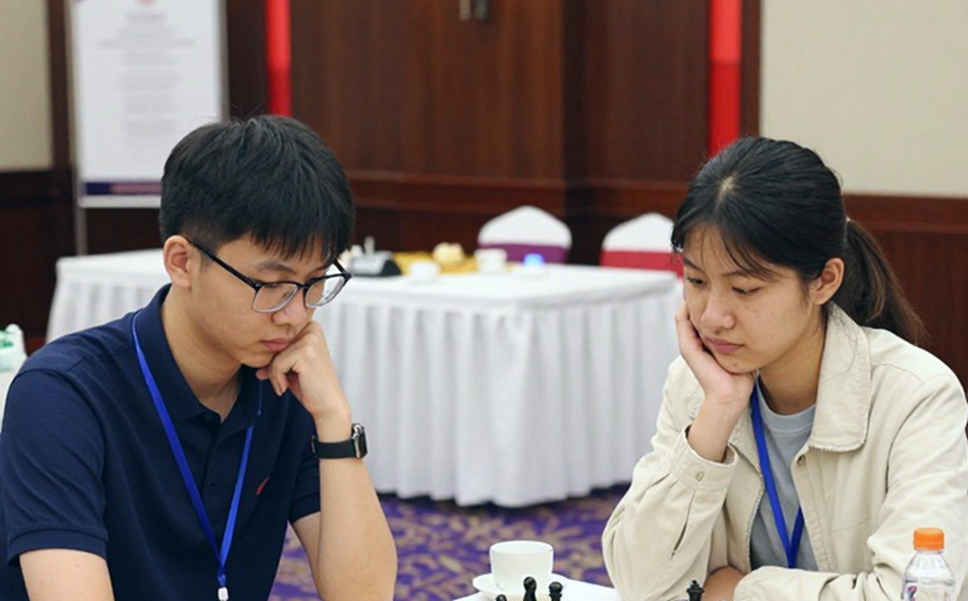
The first is the official team list. When FIDE and the organisers publish the Uzbekistan and India line-ups for the 2026 Olympiad, we will have real data on who anchors and who breaks through. That is when Elo tables become more useful than any number of adjectives.
The second is the full tournament schedule. Across thirteen days and two sections, rest structure and round count directly affect thin squads. This is the kind of analysis still missing from Vietnamese chess coverage, and it can be done well with simple tools.
The third is the claims themselves. I want to see someone confirm or correct the three titles above with official sources. Not to catch out a single report, but because how a community handles a small error determines the quality of all the information it will consume in the run-up to the tournament.
Esports showed me a tactical space that needs no pitch yet can still make the heart race. Chess has lived in that space for a long time. What is missing is not emotion, but data discipline. A torch crossing Samarkand can look beautiful in a photograph, but what lasts longer is correct numbers.
And fans, in a very concrete sense, are the variable every communications formula must respect. When they begin verifying for themselves, the quality of an entire information industry is forced to change with them.